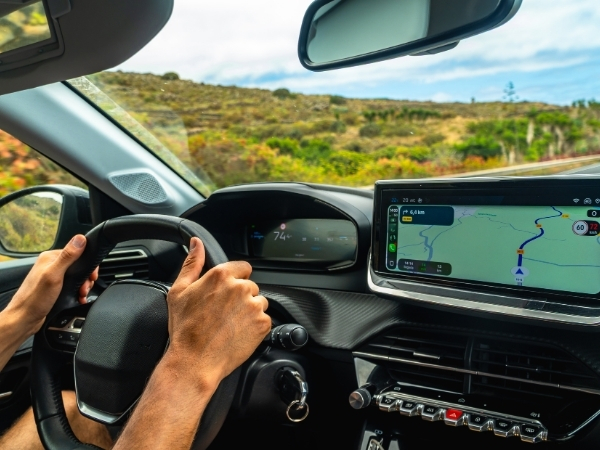
If you are looking forward to driving in Trinidad and Tobago, navigating these beautiful islands for the first time requires knowing how the landscape shifts. While driving in Trinidad often involves navigating busy highways and urban centers, Tobago offers a mix of flat south-western roads and steep, technical northern routes. Whether you are preparing for driving in Trinidad or exploring its sister island, understanding local conditions and the standard driving regulations in Trinidad and Tobago is crucial.
Before hitting the road, a common question is, what side of the road do they drive on in Trinidad and Tobago? Just like the British system, traffic flows on the left. So, if anyone in your group asks what side of the road does Trinidad drive on, remind them to always keep left. Here is what you need to know for a safe trip.
This south-western area is typically the best place for beginners. The roads are shorter, flatter, and closer to essential amenities, the airport, and beaches. Your main challenge isn't steep terrain; it is managing pedestrian traffic, sudden taxi stops, and making quick decisions at intersections.
The streets near A.N.R. Robinson International Airport are flat and perfect for your first drive. However, treat this as a low-speed zone. It is a busy hub, so watch carefully for pedestrians crossing and taxis pulling over to the kerb near tourist hotspots.
These act as the main corridors of the tourist district. Traffic moves faster here than on smaller beach lanes. Maintain a larger following distance, as local drivers might not use indicators, and minibuses frequently make sudden stops, especially during busy weekends.

Access lanes to Pigeon Point Heritage Park are busy leisure routes rather than fast-flowing roads. Expect tight edge parking and pedestrians walking along the shoulders. Night driving is trickier due to poor lighting, and traffic gets heavily congested during public holidays.
Renting a compact SUV is highly recommended for better braking and visibility on windward roads. Unlike the perfectly flat coral atolls you would experience if you were driving in Kiribati, Tobago’s northern terrain features steep, technical mountain routes that require focus and a capable vehicle.
Moving from Roxborough to Speyside, the landscape introduces sharp curves and continuous up-and-down slopes. Heavy rain can cause slick surfaces and pooling water. The scenery is breathtaking, but the drive demands heightened caution, especially near villages where blind corners appear rapidly.
This is one of the island's most technically demanding routes. Massive elevation shifts make it feel like mountain driving. Drive during the day, yield early on tight corners, and do not rely solely on mobile GPS, as signals frequently drop in these rural areas.

These hillside roads may look short on a map but feel much longer due to winding paths and sudden dips. Slow down immediately when entering villages, as local dogs, goats, and livestock frequently wander onto the carriageway without warning.
In Scarborough, the challenge shifts from steep hills to urban traffic management. You will deal with one-way streets, traffic lights, dense congestion, and busy bus routes before hitting the faster inland routes.
Patience is essential here. Traffic flow shifts quickly at roundabouts, and narrow streets leave little room for error. Minibuses stop unexpectedly, so reduce your speed, hold your lane, and prioritize caution over speed.
This highway offers a smoother, faster drive. However, defensive driving remains vital, as speeding and unsafe overtaking occur, especially on weekends. Treat it as the island's main fast route, but keep your guard up at all times.
Every region presents a unique driving environment. The south-west has tourist traffic, the north requires hill-driving skills, and Scarborough demands patience. Rent a car with Final Rentals to experience the island with complete freedom, unlimited mileage, and airport pick-up convenience. Download the Final Rentals app on the App Store or Google Play to book easily.
The Crown Point area is easiest due to its flat layout. The north and east are steeper and harder to navigate at night. Start with a daytime drive near the airport before venturing further.
While buses connect major areas, a rental car provides ultimate freedom for spontaneous stops, early departures, and accessing remote villages.
Travelers frequently ask, can I drive in Trinidad with a US license? Yes! Visitors holding valid US, UK, or Canadian licenses can drive legally for short periods. Always carry your documents. Furthermore, if you are wondering how old you have to be to drive in Trinidad legally, citizens can get a permit at 17. However, if you are asking what age you can drive in Trinidad to secure a rental car, almost all agencies require you to be at least 25 years old.